
Easy and Quick Pool Service Appointment - Book Now
Book Professional Pool Service — Keep Your Pool Clean, Safe, and Built to Last

Keeping your pool clean and safe makes swimming enjoyable and protects your investment. Regular professional service improves water quality, catches small problems early, and helps pool systems last longer. This guide walks through why routine maintenance matters, what to expect from a service visit, how often to schedule care, and what costs to expect. Read on so you can choose the right plan for your pool.
Key Takeaways
- Consistent maintenance keeps water safe to swim in and helps equipment last longer.
- Professional service typically covers cleaning, chemical balancing, and equipment checks.
- Routine care stops algae and prevents equipment failures, keeping water clear.
- Service frequency — weekly, bi-weekly, or monthly — depends on how much you use the pool.
- Regular inspections spot problems early and avoid expensive repairs.
- Service costs vary by pool size, location, and the services you choose.
- Scheduling is straightforward and can be tailored to your needs.
- Ongoing maintenance is usually cheaper over time than one-off deep cleans or emergency fixes.
Why Is Regular Pool Maintenance Important for Homeowners?
Regular pool maintenance matters for three main reasons: health, cost savings, and property value. A well-maintained pool keeps water sanitary and safe for swimmers. It also prevents costly breakdowns by catching issues early, and a clean pool boosts your home's curb appeal when it comes time to sell.
How Does Pool Maintenance Ensure Water Quality and Swimmer Safety?
Routine maintenance focuses on testing and balancing water chemistry so bacteria and algae can’t take hold. Keeping pH, chlorine, and alkalinity in range prevents health risks and keeps water clear. Frequent testing and treatment create a consistently safe swimming environment.
Research supports that consistent upkeep is important for both water quality and user safety.
Essential Pool Maintenance for Water Quality & Safety
Pools offer many benefits, but owners must carry out ongoing maintenance to protect water quality and swimmer safety.
Residential swimming pools maintenance under an environmental perspective, IEMO de Moura, 2023
In What Ways Does Routine Care Extend Pool and Equipment Lifespan?
Routine care prevents debris and contaminants from harming pool surfaces and equipment. Regular cleaning and filter maintenance keep pumps and heaters running efficiently; neglect can shorten their life and lead to costly repairs. Pools that receive steady maintenance typically remain functional and attractive far longer than neglected ones.
Studies link effective operational maintenance with better public health outcomes and longer service life for pool facilities.
Public Health & Pool Longevity: Operational Maintenance
Operational maintenance is key to safe, sustainable pool use and supports equipment longevity — for example, consistent chlorine monitoring and proper testing routines form the basis for reliable pool operation. Optimising sustainability, performance and public health protection in the design and operational life cycle of sports and leisure pool complexes, 2015
What Does a Professional Pool Service Appointment Include?
A professional pool service appointment generally covers a set of tasks designed to keep your pool in top shape: surface and floor cleaning, water chemistry checks and adjustments, and a review of pumps, filters, and other equipment to spot issues early.
Which Pool Cleaning and Debris Removal Tasks Are Performed?

During a typical visit, technicians handle several cleaning tasks, including:
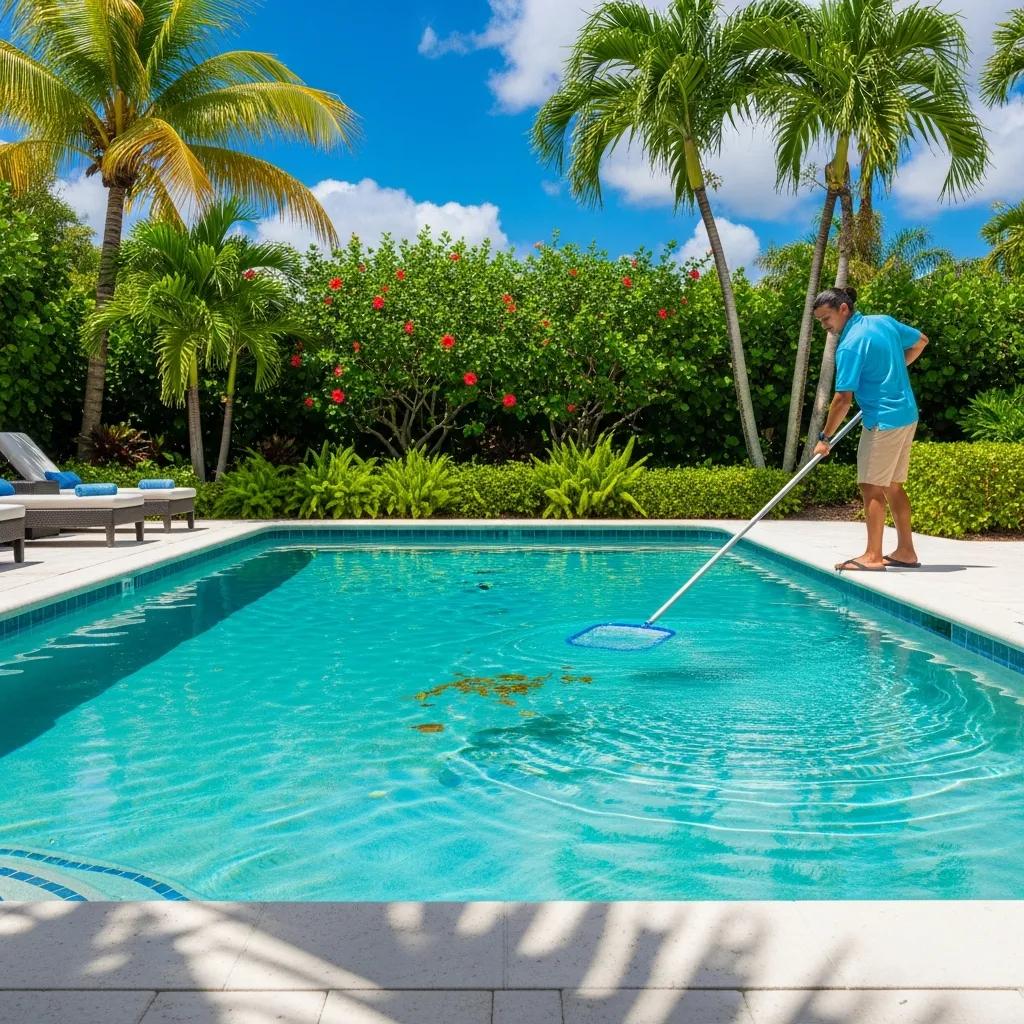
- Skimming Debris: Clearing leaves, bugs, and surface debris so filters work efficiently.
- Vacuuming: Removing settled dirt and sediment from the pool floor.
- Brushing: Scrubbing walls and tiles to prevent algae and scale buildup.
These steps keep the pool visually inviting and reduce strain on your equipment.
How Is Water Chemistry Balanced During Service?
Technicians test pH, chlorine, alkalinity, and other key levels, then add the right chemicals to bring the water into balance. Common treatments include chlorine for sanitation, algaecides when needed, and pH adjusters to maintain comfort and protect equipment.
Precise chemical management, especially chlorine, is important and should adapt to how many people use the pool each day.
Dynamic Pool Management for Hygienic Safety
Water treatment should account for changing bather loads so that chlorine and other controls respond to actual use and maintain hygienic safety. …of residual chlorine in swimming pool water and determination of chlorine consumption for maintaining hygienic safety of bathers with a simple mass balance model, AP Berg, 2019
How Often Should You Schedule Pool Cleaning and Maintenance?
How often you need service depends on pool use, surrounding environment, and the season. Regular scheduling prevents small issues from becoming big problems and keeps the pool ready when you want to swim.
What Are the Recommended Service Frequencies for Optimal Pool Care?
Common recommendations are:
- Weekly Service: Best for heavy use and peak season when water needs frequent attention.
- Bi-Weekly Service: A good balance for moderate use or shoulder seasons.
- Monthly Service: Works for pools that see little use or are closed for part of the year.
Choose the cadence that matches your usage and local conditions.
How Can Service Plans Be Customized to Fit Your Pool’s Needs?
Service plans are flexible. Talk with your provider about how often you swim, nearby trees or dust, and any equipment concerns. They can adjust visit frequency, add equipment checks, or include specialty cleanings to match your needs.
What Are the Typical Costs of Professional Pool Maintenance Services?

Costs vary by service type and how often you schedule visits. Knowing typical price ranges helps you budget for reliable care.
How Do One-Time Cleanings Compare to Weekly or Monthly Service Pricing?
One-time deep cleanings usually cost more per visit than ongoing plans. For example, a single cleaning might run $150–$300, while regular weekly visits often average $100–$200 per session. Routine service tends to be more cost-effective over time because it prevents major repairs.
What Factors Influence Pool Service Costs?
Several things affect pricing:
- Pool Size: Bigger pools take more time and materials to service.
- Location: Travel time, accessibility, and local market rates can raise or lower costs.
- Service Type: Repairs, parts, or special treatments increase the price beyond basic cleaning.
Understanding these factors lets you compare quotes and pick the best value.
How Does Scheduling a Pool Service Appointment Save Time and Prevent Costly Repairs?
Regular service saves you time and money by keeping the pool ready to use and avoiding emergency fixes. Professionals handle routine tasks and spot wear before it becomes a breakdown, so you spend less on repairs and more time enjoying the pool.
What Common Pool Problems Are Prevented by Routine Maintenance?
Routine care helps avoid frequent issues like:
- Algae Growth: Regular cleaning and chemical balance stop algae from developing.
- Equipment Failure: Routine inspections catch small faults before they become big, expensive repairs.
- Water Clarity Issues: Continuous cleaning and chemistry keep water clear and inviting.
Tackling these problems early keeps your pool hassle-free.
How Does Professional Equipment Inspection Protect Your Investment?
Inspections identify worn filters, weak pumps, or other signs of trouble so you can repair or replace parts before they fail. That proactive care improves efficiency, saves on energy and repair costs, and extends the life of your pool system.
How Can Homeowners Easily Schedule Their Pool Service Appointment?
Booking a pool service appointment is simple: contact a local provider, explain your needs, and pick a time that works. Many companies offer online booking, phone support, or customizable plans.
What Is the Simple Process for Booking Professional Pool Care?
The usual steps are:
- Contact a Service Provider: Call or email to ask about availability and services.
- Discuss Your Needs: Share how often you use the pool and any specific concerns.
- Set the Appointment: Confirm the date, time, and the scope of work for the visit.
That straightforward process makes it easy to get regular, reliable care.
Which Service Plans and Packages Are Available for Scheduling?
Providers typically offer a range of plans, such as:
- Basic Cleaning Packages: Regular skimming, vacuuming, and chemical balancing.
- Comprehensive Maintenance Plans: Cleaning plus chemistry, equipment inspections, and basic repairs.
- Customizable Options: Tailored visits based on your pool’s size, use, and special needs.
Compare plans to find the right balance of service and cost for your pool.